As pets grow older or live with medical conditions, their grooming needs change right along with them. Senior dogs and cats, as well as pets with arthritis, mobility challenges, or chronic health issues, often need a more gentle and thoughtful approach. Grooming becomes less about looking polished and more about comfort, health, and helping them feel their best day to day.
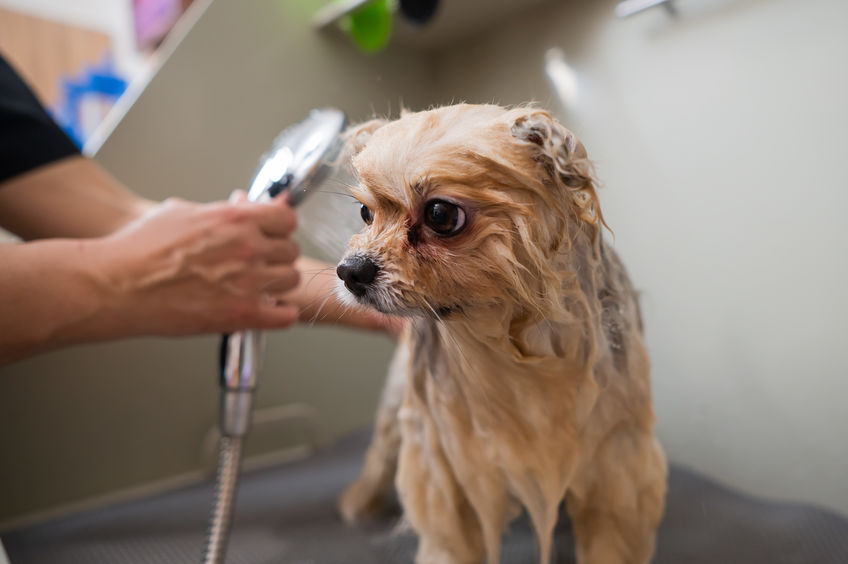
Aging Pets Need Extra Help Staying Comfortable
Many older pets simply cannot groom themselves the way they used to. Stiff joints, sore muscles, vision changes, or fatigue can make brushing and basic self-care difficult. When coats are neglected, mats can form quickly, pulling on sensitive skin and causing pain.
Regular professional grooming keeps coats manageable and skin healthy. It also gives trained eyes a chance to notice changes like new lumps, sore spots, or tenderness that pet parents might not catch right away.
Adjusting Grooming for Arthritis and Limited Mobility
Pets with arthritis or mobility issues need patience and flexibility during grooming. Standing for long periods or being moved too quickly can cause discomfort. Experienced groomers adjust positioning, use padded surfaces, and allow frequent breaks so pets can relax.
Sometimes grooming is broken into shorter visits to avoid exhaustion. Focusing on essential care like brushing, nail trims, and hygiene helps keep pets comfortable without overwhelming them.
Skin and Coat Care for Special Needs Pets
Health conditions and medications can affect a pet’s skin and coat. Older pets may develop dry skin, thinning fur, or increased sensitivity. Special needs pets may have allergies, hot spots, or areas that require extra care.
Gentle products and careful brushing techniques help prevent irritation while improving circulation and coat health. Regular grooming also reduces matting, which can be especially uncomfortable for pets who spend more time resting.
Nail Trimming Becomes Even More Important
As pets slow down, their nails often grow faster than they wear down naturally. Overgrown nails can throw off balance, add pressure to sore joints, and increase the risk of slips and falls.
Routine nail trims help senior pets walk more comfortably and maintain better stability. Grooming appointments also allow for regular paw checks to spot cracks, swelling, or sores early.
Familiar Routines Help Reduce Stress
Older and special needs pets often do best with consistency. Calm, predictable grooming routines can help reduce anxiety and fear. A quiet environment, gentle handling, and familiar faces make a big difference for pets who may be sensitive to noise or change.
With the right approach, grooming can become a comforting experience rather than a stressful one.
Supporting Medical and Special Care Needs
Some pets require medication, have mobility aids, or need special handling due to health concerns. Groomers experienced with special needs animals understand how to work around these challenges safely. Avoiding pressure on sensitive areas and adjusting techniques helps protect both comfort and health during grooming.
Improving Quality of Life Through Thoughtful Grooming
For senior pets and animals with special needs, grooming is an important part of overall wellness. Clean coats, healthy skin, trimmed nails, and gentle care all contribute to greater comfort and confidence.
At D’Tails Grooming, we believe every pet deserves patience, compassion, and individualized attention. Our team understands the unique needs of older pets and special needs animals, and we take the time to make grooming a positive experience. Helping pets feel comfortable, safe, and cared for is always our top priority. Contact us today at 706-731-0089 or visit us online for more information!
Leave a Reply